
Aerobic Exercise
Set reasonable calorie goals, exercise plans, and lifestyle logs.
This article guides you on how to set a reasonable daily calorie goal of 1400-1600 kcal and an exercise plan of at least 3 times a week. It focuses on the "lifestyle log" method to help identify the causes of obesity and correct behaviors, ultimately maintaining an ideal weight.
2026-04-28Correcting hunchback and enhancing chest shape: Posture improvement training program
A hunched back affects one's posture and requires strengthening back muscles. To improve breast shape, it's essential to train the back, serratus anterior, and pectoralis major muscles. Since the breasts attach to the pectoralis major, training can make them more upright. This article also explains that the reason breasts shrink after weight loss is related to the ratio of breast fat.
2026-04-27Gym cardio equipment selection and running injury prevention
Elliptical trainers are gentler on the knees, and stationary bikes are incredibly effective at burning fat. However, incorrect posture while running or walking can easily lead to knee and lower back discomfort. Pronation and supination can cause gait abnormalities, requiring assessment and proper shoe selection to prevent injury.
2026-04-26Article 132: Alternative Weight Loss Methods (Slimming and Beautiful Legs: Conquering Thick Thighs)
This section introduces a comprehensive approach to slimming and beautifying legs, including massage, diet control, aerobic exercise, and muscle training. It also provides tips for tackling thick thighs, emphasizing the beautifying effects of exercises such as walking, cycling, and swimming.
2026-04-25Body fat and health: The true meaning of weight loss
This chapter emphasizes that the true meaning of weight loss is improving health. Through the comparison of Rose and Angie, it illustrates that dieting may lead to muscle loss, while exercise, although resulting in slower weight loss, primarily reduces fat. Health assessment and body fat percentage testing are fundamental to evaluating the effectiveness of weight loss.
2026-04-24Fat Lady's Real-Life Testimonial of Losing 18 Kilograms in Four Months and Her Weight Loss Cycle Plan
This article details the real-life weight loss journey of Ms. Fei Mei, documenting her transformation from 93.6 kg to 75 kg. It includes her first day's menu, weekly weight changes, regular menstrual cycles, and her cyclical weight loss plan and dietary regimen.
2026-04-24Human Organ Aging Timeline (Continued) and the Importance of Health Management
This article continues to discuss the aging timelines of human organs: heart at 40, kidneys at 50, prostate at 50, hearing at 55, intestines at 55, bladder at 65, and liver at 70. The article points out that muscle loss and organ aging after age 30 lead to a decline in basal metabolism, a major cause of middle-age weight gain. Through health management, aging can be slowed down, allowing for a...
2026-04-23Beginner and Advanced Leg Exercises: Eliminate Thigh Fat and Increase Metabolism
This article introduces beginner-level leg exercises and advanced leg-slimming training. The beginner-level exercises include seated leg extensions, prone calf raises, and half squats, holding each position for 2-3 seconds. The advanced version adds lunge squats, heel flexions, and leg stretches, and recommends combining these with aerobic exercises such as cycling, skipping rope, or swimming,...
2026-04-22Monitor your body image: Record triggers, thoughts, and behaviors
This article guides readers on how to use a "body imagery log" to monitor events that trigger negative body images, the resulting automatic thoughts (such as mental filtering and labeling), and the avoidance behaviors that ensue. Through recording and analysis, readers can identify distorted thought patterns, laying the foundation for subsequent cognitive restructuring.
2026-04-19Companion System: The Power to Gain Support from Others
This chapter emphasizes that connections with friends and family can provide more comfort than food. It introduces how to build a peer system, choose the right supporters, share responsibilities and rewards, and obtain emotional support through methods such as photo albums.
2026-04-17Cycling for weight loss: Aerobic cycling, spin classes, and relaxation exercises
This article introduces four effective cycling methods for weight loss: aerobic cycling, interval cycling, high-intensity cycling, and foot-based cycling. It focuses on the fat-burning advantages of indoor cycling and methods for full-body relaxation after cycling. It also lists three groups of people who are not suitable for cycling for weight loss, as well as contraindications such as...
2026-04-11Swimming for Weight Loss: Tips and Taboos for Sculpting a Mermaid Figure
This article explains the scientific principles behind swimming's benefits for weight loss, including water resistance, thermal conductivity, and the massaging effect. It provides practical tips on finding a feeling of buoyancy and gradually increasing exercise intensity, and details nine swimming taboos, including before and after meals, after drinking alcohol, sun exposure, and during...
2026-04-10The Art of Quantifying Exercise Intensity and Energy Consumption: Practical Guide to Weight Loss, from Heart Rate Monitoring to Step Count Conversion
Weight loss is not just about reducing food intake, but also about increasing calorie expenditure. This article explains in detail how to scientifically control exercise intensity through heart rate monitoring and reveals the time window for fat burning. Through the practical concept of "1000 steps equivalent," daily chores and walking are quantified into assessable exercise metrics, helping...
2026-04-06The selection principles for weight loss exercise programs are: whole-body benefits, fun, safety, and sustainable aerobic exercise.
This article outlines four basic principles for obese individuals when choosing exercise programs. It details the core value of whole-body aerobic exercise in mobilizing large muscle groups and improving fat oxidation efficiency. The article emphasizes the importance of interest in exercise for long-term adherence and, considering the increased risk of injury among obese individuals, proposes...
2026-04-02Physical activity strategies for a healthy weight: setting exercise goals, quantifying energy expenditure, and developing habits
This article aims to guide adults in maintaining a healthy weight through scientific physical activity. It outlines a healthy benchmark of at least 150 minutes of moderate-intensity or 75 minutes of vigorous-intensity exercise per week and recommends an energy expenditure target of approximately 1200 kcal/week for weight control. By quantifying the MET values of common activities, the...
2026-03-28The scientific steps and phased weight loss guidelines of the journaling method
This article details the scientific steps and phased implementation strategies of the journal-based weight loss method, helping you achieve effective weight loss through systematic tracking. This method emphasizes self-management and a gradual process, requiring no extreme dieting, helping you steadily reach your ideal weight and establish healthy lifestyle habits.
2026-03-26
Analysis of the Three Core Principles of the Off-Ground Phase of the Documentation-Based Weight Loss Method
This article details the core principles of the "off-ground" phase of the calorie tracking method: mastering calorie calculation methods and establishing a daily tracking habit. Mastering this principle is crucial for scientific weight loss. This phase does not involve forced dieting; its aim is to lay a solid foundation for achieving long-term weight loss goals through cognitive adjustments.
2026-03-26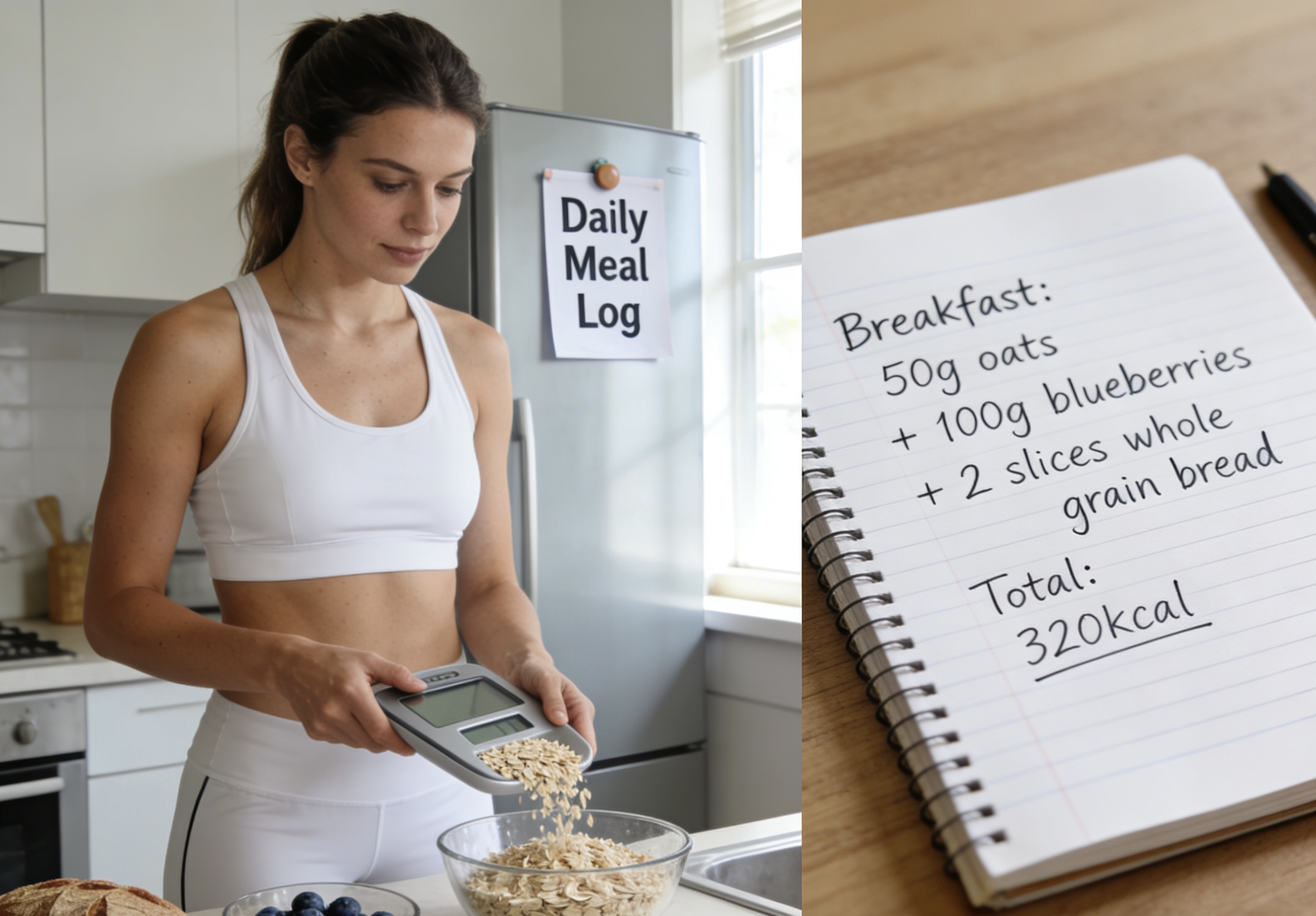
The accelerated phase of the record-keeping weight loss method: distinguishing between desires and wants to achieve scientific weight loss.
This article provides an in-depth analysis of the "re-acceleration phase" of the diet journaling method, teaching you how to scientifically distinguish between "desire" and "craving"—two types of appetite—to optimize your weight loss strategy. Mastering this key technique will help you more effectively advance your weight loss process, achieve healthy weight loss based on your body's true needs, and avoid weight rebound caused by blind eating.
2026-03-26