
Weight Loss Diet and Calorie Guide: A One-Week Weight Loss Diet Plan from the Obesity Specialist Clinic at an Asian University
Weight loss diet plan from an obesity specialist
Creating a weight-loss diet that balances the five essential nutrients while providing adequate calories is no easy task. You can use the weight-loss diet plan from the Obesity Specialist Clinic at Asian universities as a basis to create a diet plan that suits you.
Calorie basics
Even when trying to lose weight, you still need to consume the minimum calories required to maintain a normal life. The average person needs 30 kilocalories per day, based on their total body weight, but this varies from person to person; some people are more active and therefore need more calories.
For example, a woman weighing 50 kg with moderate activity level needs a minimum of 1600 kcal per day. The minimum daily calorie requirement for an adult woman is 1200 kcal; falling below this amount can be dangerous.
Calculation method for daily calorie requirement
Daily calorie requirement → Basal metabolic rate × Activity level
• Basal metabolic rate: Men → 900+ (10 x body weight) Women → 800+ (7 x body weight)
• Activity level score: 1.2 for low activity level, 1.4 for moderate activity level, and 1.6 for high activity level.
Weight and calories
One kilogram contains approximately 7,000 to 9,000 kilocalories. Therefore, if you want to lose 1 kilogram in a month, you need to reduce your daily calorie intake by 250 to 300 kilocalories.
Reducing your food intake by one-third and controlling your snacking can easily result in a 250-300 kcal reduction. In contrast, forced and unreasonable weight loss plans are harmful to your health.
Calorie basics
1 kcal = the energy required to raise the temperature of 1 kg of water by 1°C
1 kilogram = approximately 7000~9000 kcal
Adult women need 1800~2000 kcal per day.
One kilocalorie (kcal) is approximately equal to 4.18 joules (J).
Exercise volume and calories
The calories burned during exercise are not actually that many as you might think. Jogging, a type of aerobic exercise, burns approximately 640 calories per hour. To burn 7000 calories a month, you would need to jog three times a week for one hour each time. However, if you reduce your daily calorie intake by 250 calories while jogging three times a week for one hour each time, you can healthily lose 2 kilograms in a month.
Energy consumed in one hour of exercise (kcal)
Walking (speed: 3.2km/h) 150
Jogging (speed: 9km/h) 640
Mountaineering 370~730
Playing badminton 370~800
Swimming, climbing stairs 300-600 meters
Sitting while working: 110-180 cm
Playing tennis 300~660
Freehand gymnastics, cycling 220~660
Aerobic exercise 440~660
Basic Calorie Tables for Various Foods
Foods containing the same nutrients and belonging to the same category can have vastly different calorie counts due to variations in cooking methods, added ingredients, and other factors. Please choose low-calorie, high-nutrient foods whenever possible.
When trying to lose weight, it's best to eat rice, which is a carbohydrate. Compared to udon noodles, which are also a carbohydrate, rice is lower in calories. Bread, on the other hand, is often eaten with butter or jam, so its calorie content isn't low.
One slice of bread contains 102kcal, and one tablespoon of jam contains 165kcal.
One slice of bread contains 102kcal, and one tablespoon of peanut butter contains 207kcal.
drinks
fruit
Although they are fruits, bananas, apples, and other fruits rich in fructose are also relatively high in calories. In short, please choose to eat low-calorie fruits.
1/8 watermelon 280kcal
meat
Based on 100 grams of raw meat, pork, which is high in fat, contains more calories than beef or chicken. However, removing the fat before eating can reduce the calorie content.
Beef 120kcal
Pork 135kcal
Chicken 105kcal
Salt
Those suffering from edema should check not only the calorie count but also the salt content of their food. 100 grams of pork tenderloin contains 0.1 grams of salt, while processed foods such as ham, sausage, bacon, and cheese contain even more salt.
2.8 grams of ham
4.0 grams of bacon
2.3 grams of red sausage
0.7 grams of cheese
Salt content per 100 grams
Weight loss diet
Weight Loss Diet Practice Guidelines
Nutritional balance is more important than calories.
Obsessively calculating the calories of every food item consumed throughout the day only creates mental stress and does nothing to aid weight loss. Instead, focus on a balanced diet.
Ensure three regular meals a day
If you skip a meal, you'll almost certainly eat more at the next one, and binge eating is the biggest obstacle to weight loss. It's essential to eat three meals a day, but you can reduce the portion sizes appropriately; this is a better approach.
Light diet
For those experiencing edema, it is especially important to reduce salt intake. Limit consumption of processed foods high in salt and adopt a light diet.
Avoid fast food and seasonings
Fast food like instant noodles not only contains a lot of salt but also many additives. Cooking your own meals after buying the ingredients is healthier and can help with weight loss. However, while homemade food is healthier, adding seasonings and salt negates all the benefits.
Asia University Obesity Specialist One-Week Weight Loss Diet Plan
Here is a one-week weight loss diet plan from the Obesity Department of Asia University. Please also create a personalized diet plan based on your own eating habits, age, and characteristics.
This weight-loss diet is based on low calories and high protein, and is rich in minerals and vitamins. It especially includes dishes containing large amounts of B vitamins, zinc, manganese, and magnesium, which can help break down fat. Because the portions are small, don't forget to include plenty of fiber-rich foods to prevent constipation.
on Monday
breakfast
2/3 bowl of brown rice
(Can be mixed with Job's tears)
soybean paste soup
1 sheet of seaweed
Lunch
braised pork
dinner
2/3 bowl of brown rice
Cold-dressed bellflower root
Radish Soup
mung bean jelly
Drinking a glass of cool water (green tea or black coffee) after waking up in the morning can stimulate intestinal peristalsis and keep the intestines moist, which is beneficial for defecation.
breakfast
Kelp and wakame seaweed can increase energy expenditure and are rich in inorganic substances.
1 bowl of mixed grain rice
1 sheet of seaweed
Celery Soup
Cold Dried Fish
lettuce leaves
dinner
2/3 bowl
Platycodon grandiflorus soup
Seaweed in sauce
Saturday
Lunch
Spinach soup
Seaweed in sauce
Salted soybeans
Cold-dressed bellflower root
1 sheet of dried seaweed
2/3 bowl of brown rice
If you change the dinner menu every two days, you won't get bored easily.
3 sesame leaves
Sunday
breakfast
1 bowl of brown rice
Radish Soup
seaweed
Salted soybeans
braised pork
spinach
Dark brown back
Celery Soup
Cold-dressed bellflower root
seaweed
Steamed Eggs
Grilled fish
Weight Loss Column
Facial slimming and vegetable salad
If you want to improve your facial appearance, then you absolutely cannot omit lettuce, which is rich in vitamins and fiber, from your diet. To get enough vitamins and fiber from eating lettuce salads, you should consume five to six dishes a day.
Why eat so much? Because lettuce has a high water content, and the amount of fiber you can get from eating just one dish of lettuce salad is never enough.
Besides lettuce, which is frequently used in salads, foods such as white radish, carrot, burdock, spinach, and sweet potato also contain a lot of fiber. For example, the amount of fiber contained in 300 kilograms of lettuce is equivalent to the amount of fiber contained in two or three pieces of pumpkin (100 grams).
If you want to increase your fiber intake, instead of eating several plates of raw salad, try a dish of wild vegetables made with raw spinach or burdock; it will be more effective.
However, eating too much sweet potato, which is particularly high in fiber, can cause diarrhea. This shows that excessive fiber intake can also have side effects.
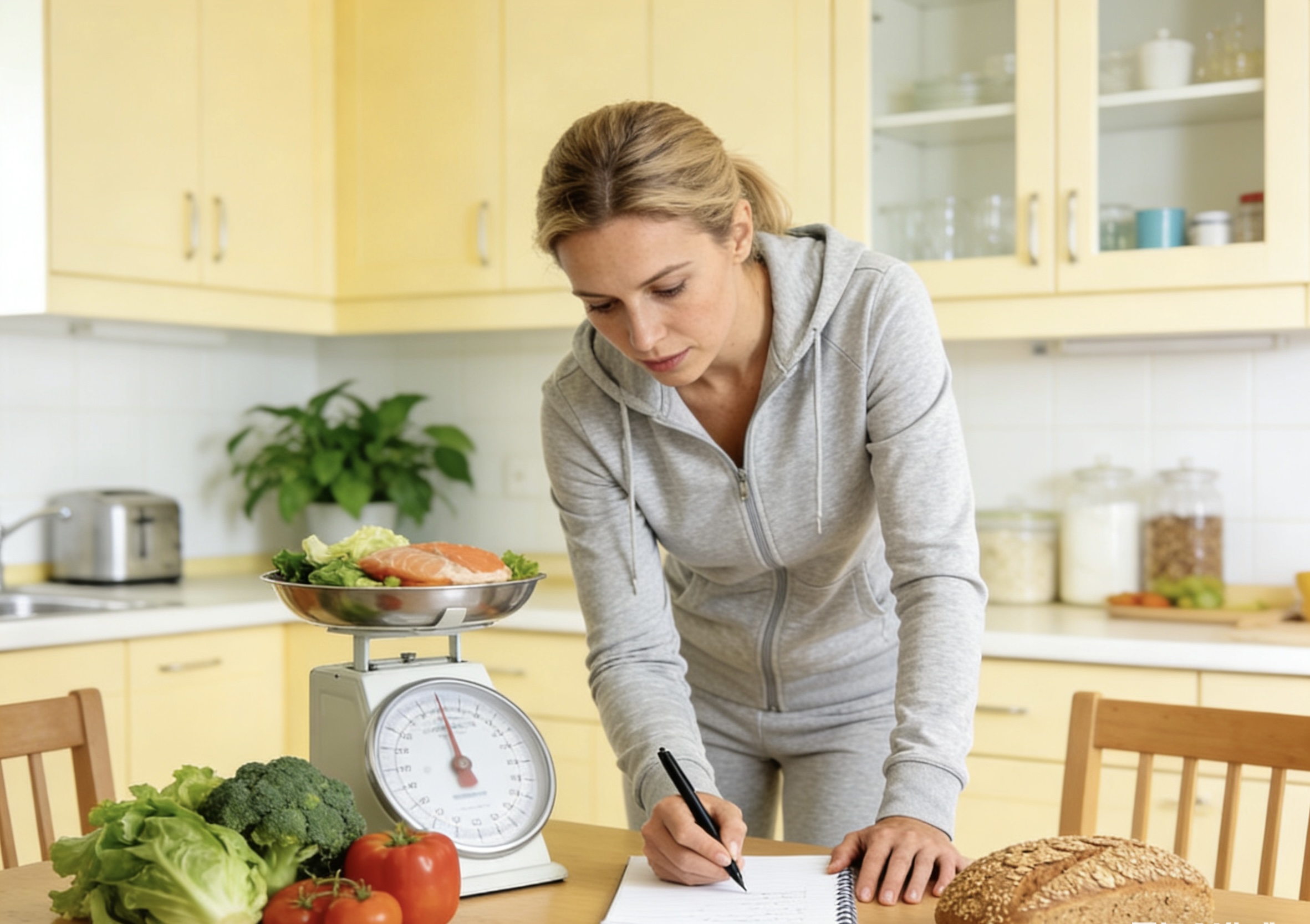
The Advanced Stage of the Documentation-Based Weight Loss Method: Three Implementation Techniques and Calorie Control
This article details the "rising phase" of the calorie-restriction diet, focusing on three key techniques for implementing calorie restriction. Mastering scientific weight loss methods and avoiding common pitfalls will lead to efficient weight loss. The weight loss process requires individual adaptation, consistent tracking, and flexible adjustments to ensure lasting and stable results.
2026-03-26
The Documentation-Based Weight Loss Method: Cruise Phase - Coping with Emotional Lows and Sticking to the Principles
This article provides an in-depth analysis of key techniques for the cruise phase of the journaling-based weight loss method, teaching you how to cope with emotional lows and physical resistance during the weight loss process. Consistent journaling is the core of sustained weight loss; by using scientific methods to navigate the "day 75 changes," you can achieve long-term, effective weight loss results.
2026-03-26
Coping with Mood Lows During Weight Loss: Scientific Methods to Reboot Your Motivation
This article teaches you how to cope with mood swings and plateaus during your weight loss journey. By reviewing your weight loss records and calculating your body fat percentage, you can effectively navigate the "day 75 change" and reignite your motivation. Mastering this scientific method will help you stick to your record and achieve your sustainable and healthy weight loss goals.
2026-03-26