
Yoga Breathing Techniques: Abdominal Breathing and the Fat-Burning Secrets of Four Breathing Methods
Yoga breathing techniques
Yoga practitioners believe that life resides in the breath. If one's breathing is shallow, one has only experienced half of life. Practicing yogic breathing techniques consistently can make one's breathing increasingly deep and long, enhancing physical fitness and improving bodily functions. Yogic breathing is also a remarkable weight loss method, burning fat and removing excess weight with each breath, while also calming the mind.
The principle of yoga breathing techniques for weight loss
Yoga breathing techniques are primarily beneficial to the body. They allow the body to store energy, improve its regulatory abilities and resistance, and radiate vitality. They also improve brain function and enhance the body's detoxification capabilities. Deep breathing increases oxygen absorption by cells and, due to increased oxidation, burns more fat cells. It has a positive regulatory effect on the cerebral cortex and subcortical centers, the autonomic nervous system, and the cardiovascular system, normalizing the appetite control center and preventing overeating. It massages abdominal organs, enabling self-regulation of visceral activity, such as strengthening gastrointestinal motility and enhancing pancreatic function, thereby promoting the secretion of fat-dissolving digestive enzymes. It relaxes muscles, accelerates blood circulation throughout the body, which is beneficial for fat secretion, and strengthens abdominal muscles, reducing abdominal fat.
In yoga breathing, the most important technique is abdominal breathing. Specifically, abdominal breathing increases the oxygen content in the body and expels waste gases. Increased oxygen absorption by cells enhances oxidation, naturally leading to increased fat burning. Furthermore, the up-and-down movement of the abdominal muscles during abdominal breathing effectively stretches and exercises them, which is beneficial for reducing abdominal fat. Thirdly, the increased oxygen intake and air content in the abdominal cavity can alleviate hunger. Therefore, it is recommended to practice abdominal breathing a few times before meals to help reduce food intake. Of course, you can also calmly practice a few times when you feel hungry.
Basic movements
1. Exhale
Sit or stand in a relaxed posture, keeping your upper body perpendicular to the ground, with your arms hanging naturally or resting on your legs. Begin by exhaling slowly, using your abdominal muscles to expel air from your abdomen. When your abdomen is completely concave, begin to slowly contract your ribs. As your ribs contract, they will expel any remaining air from your chest cavity, until all the air has been exhaled.
2. Inhale
Next, enter the breath-holding phase. Hold your breath for about 2-3 seconds as your abdomen and chest completely retract. Then, enter the inhalation phase, relaxing your ribs and allowing air to slowly fill your chest, inhaling as much as possible to expand your chest to its maximum extent. Continue inhaling gently, slowly relaxing your abdomen, which will gradually bulge. This completes the entire yoga breathing process.
3. Holding your breath
When you first start practicing, hold each inhalation and exhalation for 5 seconds, and only hold your breath for 2 seconds. After a period of time (about a month), gradually increase the duration of each inhalation, exhalation, and breath-holding. Observe your body constantly during practice. If you experience difficulty breathing after a short time, it means the timing is not suitable and you need to adjust the duration of each inhalation, exhalation, and breath-holding. When practicing correctly, you may sweat slightly, especially on your head. Don't worry; this indicates that your body is entering a positive cycle, and toxins are being gradually eliminated through yoga breathing techniques, purifying your body.
Various breathing methods
1. Abdominal breathing method
Abdominal breathing is the most basic yoga breathing technique. Cross your hands behind your neck. As you exhale, lower your head, bring your elbows together, and draw your abdomen in, forcing all the air out. As you inhale, raise your head, open your elbows, and let your abdomen rise, filling it with air. The breathing should be as slow, deep, and long as possible. Abdominal breathing can massage the abdominal cavity and internal organs, strengthening them.
Developing proper breathing techniques is crucial for cultivating a healthy lifestyle. If you cultivate the habit of diaphragmatic breathing, then weight loss exercises are essentially performed constantly.
2. Cooling Breathing Method
Curl your tongue up (curl it vertically if you can, and horizontally if you can't), inhale from the front or sides of the curled area, then hold your breath for 3-5 seconds. You should feel a cooling sensation from the tip of your tongue to your throat. Then exhale slowly through your nostrils. This breathing method is especially suitable for practicing in the hot, dry summer, and will have an immediate cooling effect.
3. Bellows breathing method
Breathe in and out quickly through your nostrils, but try to inhale and exhale as deeply as possible. This method can expel waste gases from the body and increase the oxygen content in the blood. For beginners, just do this 5 times a day; doing it too much may cause dizziness.
4. Buzzing Breathing Method
Press your tongue against your upper jaw, separate your upper and lower teeth, and close your lips; inhale silently through your nose, and exhale with a buzzing sound through your nose, the airflow entering and exiting through your nostrils. If you plug your ears with your fingers, you can hear the buzzing sound inside your body, which is very effective for concentration.
Combination of postures and breathing techniques
(1) In the practice of body posture and breathing techniques, except in special circumstances, you must breathe through your nostrils.
(2) Both the inhalation and exhalation of breath must be gentle and quiet, as if the breath were flowing continuously.
(3) The movements should be synchronized with breathing and performed slowly.
(4) In principle, the time for exhaling should be slightly longer than the time for inhaling.
(5) After completing the position, hold this position for a while and exhale.
(6) Even if beginners are stiff, they should recall the instructor’s movements in their minds, use the correct breathing method, and avoid overexertion.
For beginners, each breathing exercise only takes 5 minutes, and all you need to do is stand or sit with your whole body relaxed, keeping your spine and head perpendicular to the ground, and your arms hanging naturally or resting on your legs. Therefore, this exercise can be done "quietly" almost anytime, anywhere, but the key is to persevere.
Breathing for weight loss requires consistency. Furthermore, it's important to have the right mindset; don't expect it to completely transform you. Consistency is key, as it can lead to a noticeable improvement in your body, energy, and complexion.
<Separator>
Struggling to stick to a weight loss plan? Master the joyful weight loss method and lose 50 kg in a year with no rebound.
This article, based on statistics on weight loss failure rates, explores the challenges and solutions to maintaining a consistent weight loss regimen. The author shares personal experiences of joyful weight loss methods, emphasizing the key to avoiding rebound weight gain and helping readers achieve their weight loss goals. Weight loss requires not only scientific methods but also a positive mindset and long-term commitment.
2026-03-26The scientific steps and phased weight loss guidelines of the journaling method
This article details the scientific steps and phased implementation strategies of the journal-based weight loss method, helping you achieve effective weight loss through systematic tracking. This method emphasizes self-management and a gradual process, requiring no extreme dieting, helping you steadily reach your ideal weight and establish healthy lifestyle habits.
2026-03-26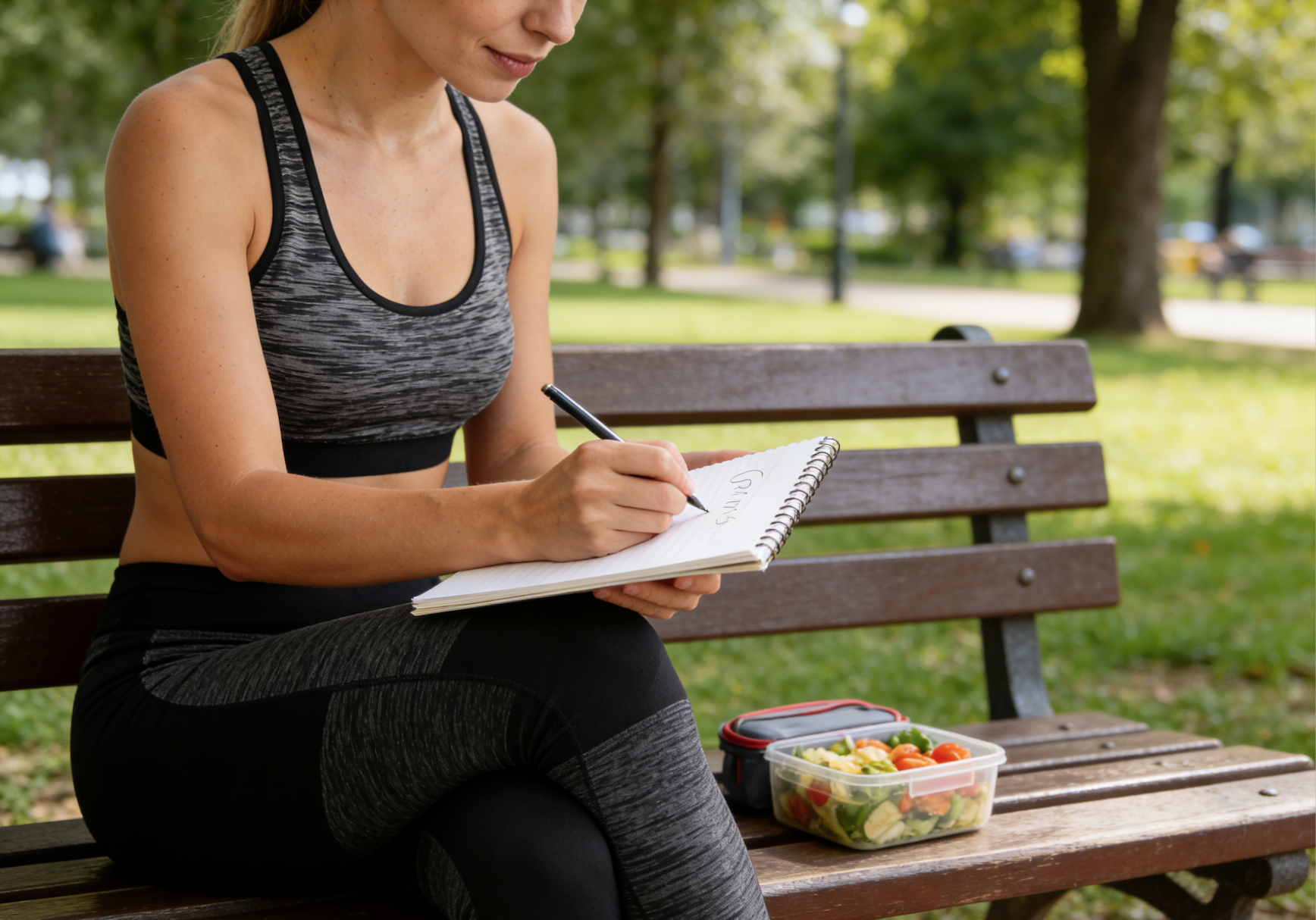
Analysis of the Three Core Principles of the Off-Ground Phase of the Documentation-Based Weight Loss Method
This article details the core principles of the "off-ground" phase of the calorie tracking method: mastering calorie calculation methods and establishing a daily tracking habit. Mastering this principle is crucial for scientific weight loss. This phase does not involve forced dieting; its aim is to lay a solid foundation for achieving long-term weight loss goals through cognitive adjustments.
2026-03-26