
Repeated weight loss attempts worsen obesity symptoms; there is still no effective weight loss drug; and not every obese person is suitable for weight loss medication.
**
Why does repeated weight loss worsen obesity symptoms?
Many people with simple obesity often treat weight loss as a game. As soon as they notice they've gained weight, they immediately start dieting to lose weight. Once they lose some weight, they return to their original lifestyle, and as a result, they gain weight again in no time, even more than before.
Some people repeatedly lose weight, rebound, lose weight again, and rebound again, resulting in their obesity changing from pear-shaped obesity, which was not very harmful to health, to apple-shaped obesity. Apple-shaped obesity is particularly prone to cardiovascular diseases, especially coronary heart disease.
So why does repeated dieting actually harm your health? It turns out that when you diet, you reduce your calorie intake, resulting in weight loss, but your basal metabolic rate also decreases, meaning you burn less energy. However, once you stop dieting and your calorie intake returns to normal, your weight will quickly increase.
Because lipase, the enzyme that controls fat storage in fat cells, becomes more active after weight loss, making it easier for dieters to store fat. Intermittent weight loss not only leads to weight rebound but also disrupts the stability of the nervous system, increasing the risk of heart disease.
Intermittent weight loss causes the stomach and intestines to expand and contract repeatedly, leading to the mesentery and abdominal wall fat cells becoming increasingly swollen. Eventually, the belly gets bigger and bigger, and the appetite increases, which naturally worsens obesity symptoms.
Why is there still no magic bullet for weight loss?
Obesity is a "disease of civilization" caused by multiple factors, making drug development relatively difficult. Currently available weight-loss drugs have limited effectiveness. Therefore, some experts advocate a comprehensive weight-loss approach combining diet, exercise, and medication; otherwise, treating obesity with a single weight-loss drug is unlikely to be sustainable or effective, as there is currently no drug with a specific effect on weight loss.
Indeed, there is currently no weight-loss drug that is specifically effective against obesity. This is because most current weight-loss drugs have relatively limited functions, primarily working by suppressing appetite, increasing energy expenditure, inhibiting digestion and absorption, or affecting fat metabolism to achieve weight loss.
Some of these medications have significant side effects and cannot be used long-term. Some cause even more severe weight rebound once discontinued. Furthermore, current weight-loss drugs have very serious side effects; long-term use can lead to functional disorders of the endocrine, cardiovascular, digestive, and respiratory systems, causing drug-induced diseases.
Furthermore, most current weight-loss drugs only treat the symptoms, not the root cause of obesity, and some can even lead to psychological dependence. Meanwhile, many herbal weight-loss drugs are slow-acting, making it difficult for users to maintain a long-term regimen.
Therefore, diet pills can only be used as an adjunct to treatment for weight loss. The only way to lose weight is to first control your diet and then exercise; there is no other way.
Why isn't every obese person suitable for weight loss medication?
Every medication has its indications, and every weight-loss drug has its side effects. Because obese individuals vary in their degree of obesity, the causes of obesity, and their individual physical conditions, indiscriminately taking weight-loss drugs can lead to adverse consequences, even drug poisoning.
Experts believe that obese individuals who meet the following conditions may consider taking some weight-loss drugs, but this should be done under the guidance of a doctor.
First, moderate to severe obese individuals who are more than 30% overweight may take weight-loss medication while dieting and exercising to lose weight.
Secondly, for obese individuals suffering from digestive ulcers, dieting may be difficult, and they may consider using medication to lose weight.
Third, some obese people have achieved certain results after about six months of dieting and exercise, but their weight rebounds soon afterward. In this case, using some weight loss drugs can effectively control the weight rebound.
Fourth, even if you try to lose weight through dieting, you may fail due to a lack of perseverance. In this case, using some diet pills may be effective and can boost your confidence.
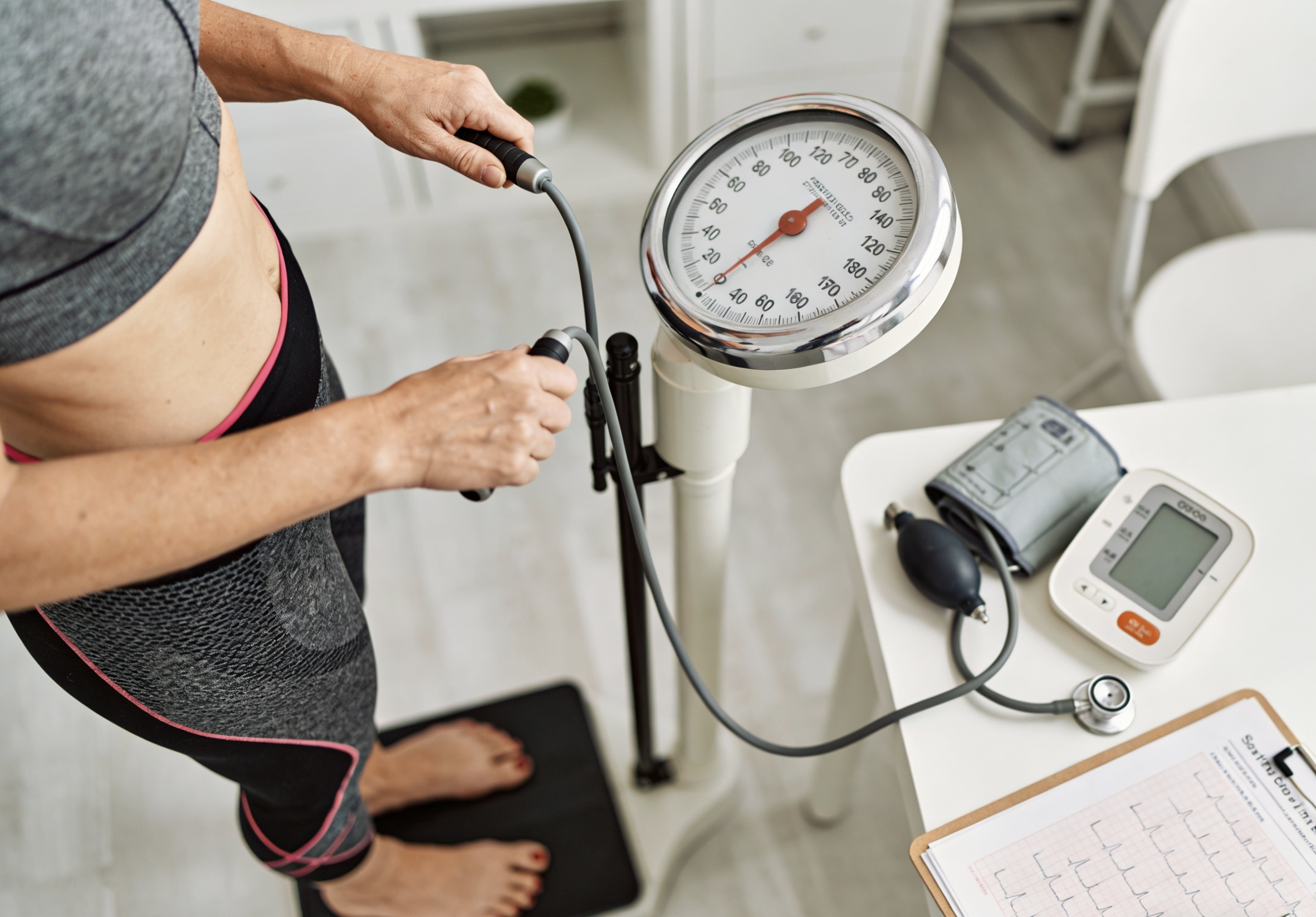
Are body fat scales accurate for weight loss? Advantages, disadvantages, and user guide.
Body fat scales estimate basal metabolic rate based on the BIA principle, but differences in formulas among different brands and factors such as posture can affect accuracy. Focusing on long-term trends using the same machine is more meaningful than absolute values, and can be combined with professional hospital testing to scientifically evaluate weight loss results.
2026-03-27
Weight Loss Without Rebound: Postnatal Conditioning for Prone-to-Weight-Gain Constitutions and Healthy Weight Loss Pace Guide
A constitution prone to weight gain can be improved through postnatal conditioning; blind pursuit of rapid weight loss often leads to rebound. This article details constitutional conditioning methods and healthy weight loss pacing to help you achieve scientific weight loss and avoid rebound concerns.
2026-03-26
Weight Loss Requires Caution: Rapid Weight Loss Leads to Rebound; Scientific Fat Reduction Preserves Muscle
While rapid weight loss yields quick results, it often leads to muscle loss, reduced metabolism, and significant rebound. This article analyses its risks and underlying mechanisms, teaching you how to maintain lean body mass and achieve sustainable weight loss without rebound.
2026-03-26