
Choosing the right ingredients: the principles of fat loss and muscle gain from beef, chicken, eggs, milk, and yogurt.
Choose the right ingredients and you can lose fat and gain muscle at the same time.
A healthy diet requires strict control, but it doesn't need to be overly strict. The key is to maintain a balanced intake of essential nutrients. Therefore, choosing the right foods is beneficial for both fat loss and muscle gain.
Basic nutrients per 100 grams (beef)
Total calories: 106 kcal
Carbohydrates: 1.20 grams
Protein: 20.20 grams
Fat: 2.30 grams
Dietary fiber: -
Precautions for consumption
Beef has coarse fibers and a lot of connective tissue, so it should be cut across the grain to break the long fibers. It should not be cut with the grain, otherwise it will not only fail to absorb the flavor, but also be difficult to chew.
The principle of fat loss and muscle gain
Lean beef is a staple for muscle building because it contains almost all the nutrients needed for muscle growth: iron, zinc, B vitamins, and plenty of protein. The protein in beef helps muscles grow.
Beef has a higher creatine content than other foods, making it particularly effective for muscle growth and strength enhancement. In the first few seconds of training, creatine is a primary fuel source for muscles, effectively replenishing adenosine triphosphate (ATP) and allowing training to continue for longer.
Low-calorie combination
When combined, these two ingredients provide the body with abundant protein, vitamin C, and other nutrients, which are beneficial to the five internal organs and replenish qi and blood.
The allicin in onions, combined with the abundant vitamin B1 in beef, can relieve fatigue and help improve concentration.
Basic nutrients per 100 grams (chicken)
Total calories: 167 kcal
Carbohydrates: 1.30 grams
Protein: 19.30 grams
Fat: 9.40 grams
Dietary fiber: -
Precautions for consumption
Chicken is an excellent source of protein, but chicken skin is high in fat, so don't forget to remove the skin when eating chicken.
The principle of fat loss and muscle gain
Chicken is high in protein, rich in various amino acids, and easily digestible, making it beneficial for boosting energy and strengthening the body. Chicken wings are rich in collagen, which helps strengthen blood vessels, muscles, and tendons. For general weight loss, reduced protein intake can lead to skin aging and other problems. Chicken breast, rich in protein, can help improve exercise performance and increase basal metabolic rate.
Low-calorie combination
When combined, these two ingredients can prevent arteriosclerosis, eliminate fatigue, reduce stress, and maintain the health of hair, skin, and nails.
Bamboo shoots clear heat and resolve phlegm, and strengthen the spleen and stomach. When paired with chicken, they can warm the stomach, replenish qi, nourish essence, and replenish marrow, making them suitable for overweight people.
Basic nutrients per 100 grams (eggs)
Total calories: 144 kcal
Carbohydrates: 2.80 grams
Protein: 13.30 grams
Fat: 8.80 grams
Dietary fiber: -
Precautions for consumption
It's best to avoid eating raw eggs. Raw eggs contain avidin, which can hinder the absorption of biotin; they also contain trypsin inhibitors, which can inhibit trypsin activity. Therefore, they must be cooked before eating.
The principle of fat loss and muscle gain
Eggs are rich in protein, and it's a high-quality protein that is closest to human needs. It takes a long time to metabolize in the body, thus maintaining a feeling of fullness for an extended period and helping to control food intake. The hydrolyzed proteins in eggs also help regulate the concentration balance of body fluids, promote water metabolism, and help reduce edema.
Low-calorie combination
Tomatoes are rich in vitamin C, and eggs are rich in protein; eating them together provides excellent nutrition. Regular consumption can have nourishing and beautifying effects.
Spinach contains more calcium than phosphorus. Pairing it with eggs, which contain more phosphorus than calcium, helps the body achieve a balance between calcium and phosphorus intake.
Basic nutrients (milk) per 100 grams
Total calories: 54 kcal
Carbohydrates: 3.40 grams
Protein: 3.00 grams
Fat: 3.20 grams
Dietary fiber: -
Precautions for consumption
Before drinking milk, it's best to eat some steamed buns, biscuits, bread, or similar foods to allow the nutrients in the milk to be fully utilized and aid digestion and absorption.
The principle of fat loss and muscle gain
The main sugar in milk is lactose. Lactose can regulate gastric acid, promote gastrointestinal motility and digestive gland secretion, and promote the growth of lactobacilli while inhibiting the growth of pathogenic and putrefactive bacteria. It is beneficial to the activity and reproduction of normal intestinal flora, thereby promoting fat metabolism and preventing obesity.
Low-calorie combination
Papaya can promote digestion and beautify the skin, while milk can nourish the stomach. The combination of the two can promote gastrointestinal health, beautify the skin, and delay aging.
It has the effects of lubricating the intestines and relieving constipation, lowering blood pressure and blood lipids, eliminating edema, strengthening the spleen and stomach, promoting diuresis and removing dampness, regulating blood sugar, detoxifying and fighting cancer, preventing stones, and promoting weight loss.
Basic nutrients per 100 grams (yogurt)
Total calories: 72 kcal
Carbohydrates: 9.30 grams
Protein: 2.50 grams
Fat: 2.70 grams
Dietary fiber: -
Precautions for consumption
Yogurt not only contains all the major nutrients of fresh milk, but it also allows proteins to form fine curds, and the calcium lactate formed by the combination of lactic acid and calcium is more easily digested and absorbed by the human body.
The principle of fat loss and muscle gain
Yogurt has lipid-lowering effects. The biological factors in yogurt can lower blood lipids and cholesterol, and inhibit the body's absorption of fat. During the fermentation process, lactic acid bacteria in yogurt produce a large amount of essential B vitamins, which regulate endocrine balance, effectively inhibit the growth of putrefactive bacteria in the intestines, suppress the production of harmful substances, promote intestinal peristalsis, and thus aid in weight loss.
Low-calorie combination
Yogurt is rich in probiotics. When eaten with nutritious kiwifruit, it can promote gut health, help the growth of beneficial bacteria in the intestines, and prevent constipation.
Drinking apple juice mixed with yogurt can improve the symptoms of arteriosclerosis.
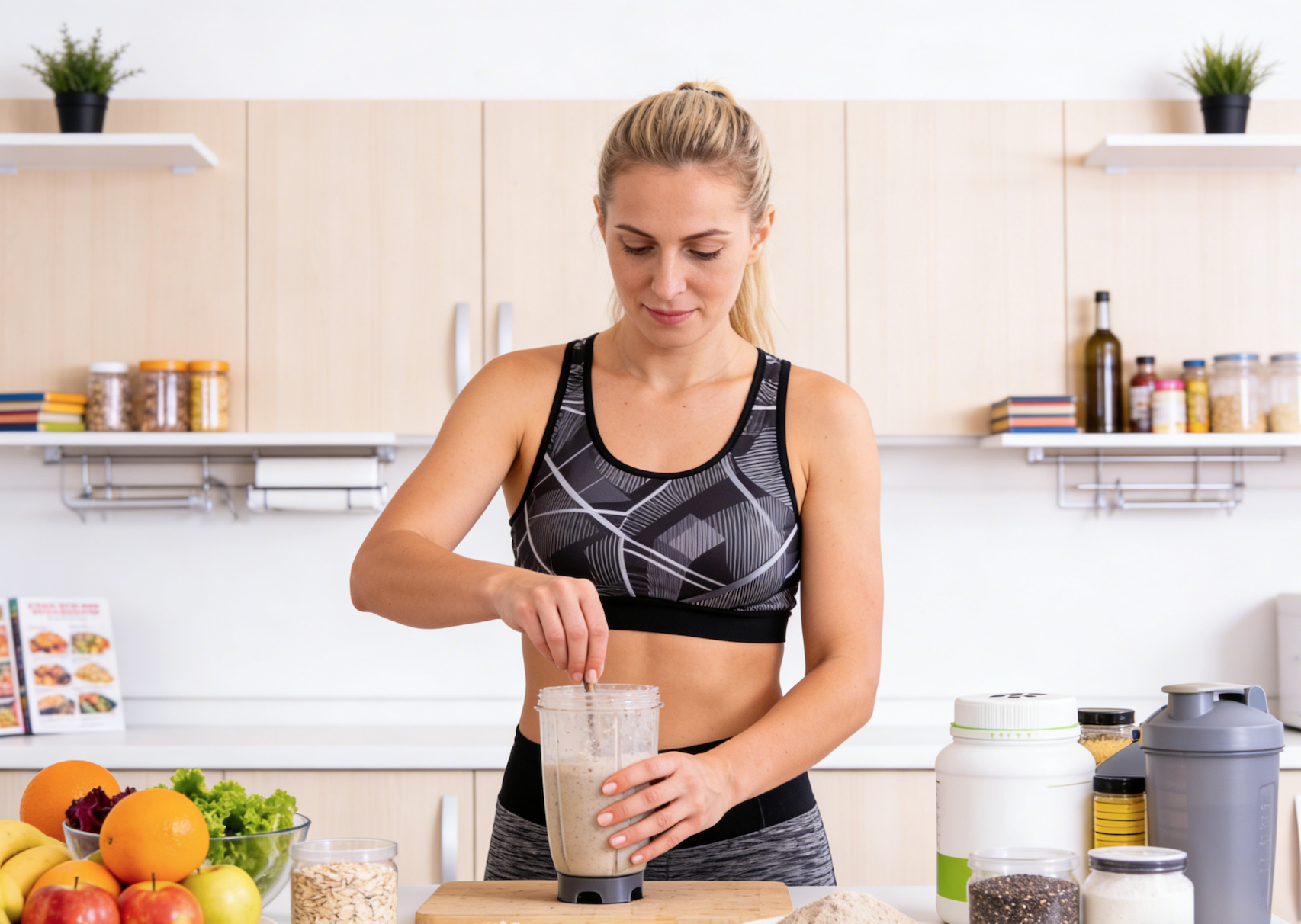
Post-Low Insulin Diet Weight Loss Guide: Consolidating Results and Lifelong Health
This article guides you on how to maintain a healthy weight and avoid rebound through a scientific diet and exercise after understanding the principles of the low-insulin diet for weight loss. This method helps you consolidate your weight loss results, achieve lifelong health management, and make weight loss a sustainable lifestyle.
2026-03-26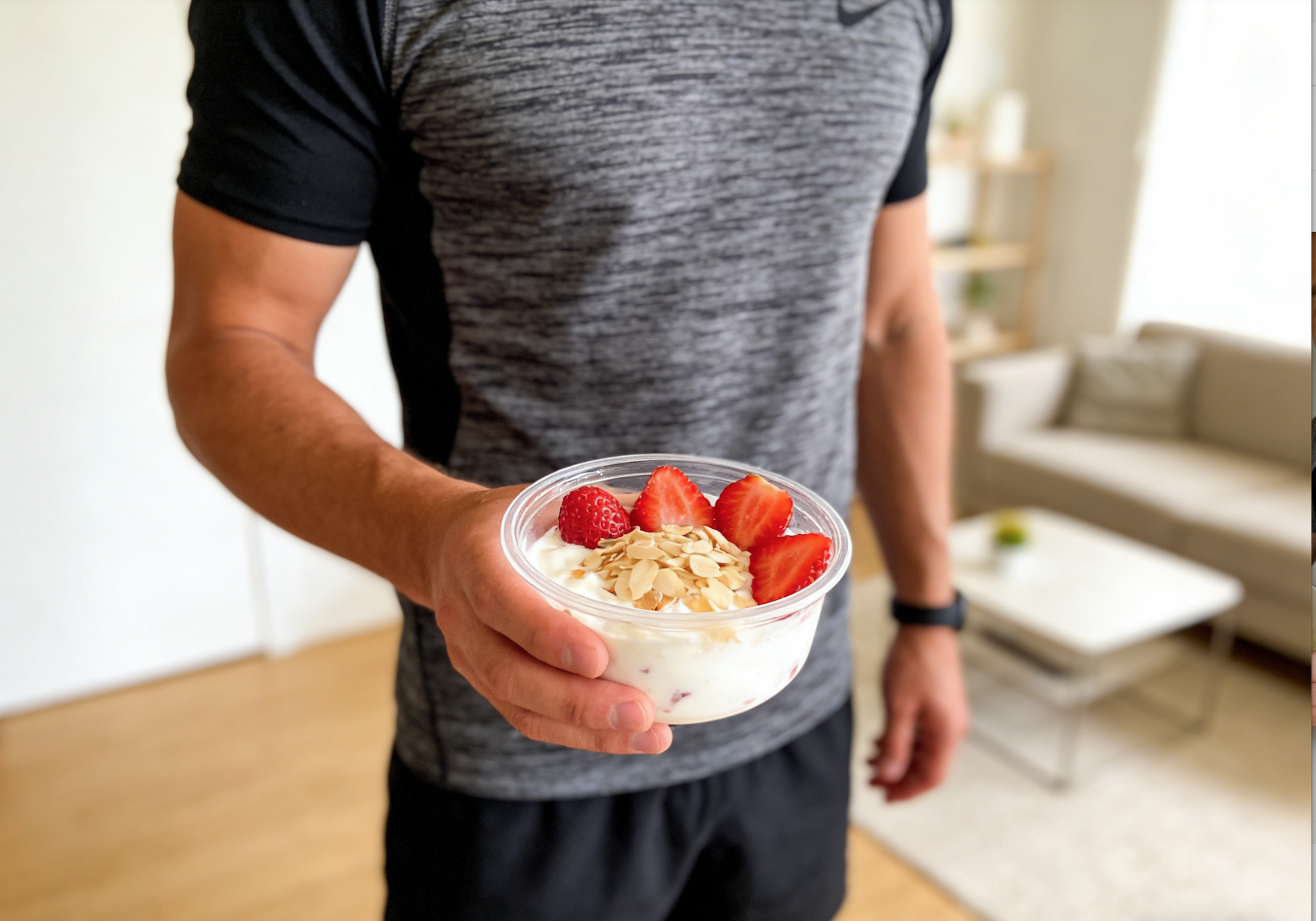
Summary of the Low-Insulin Diet for Weight Loss: Seven Rules for Lifelong Healthy Living
This article summarizes seven lifelong principles of the low-insulin diet for weight loss, guiding you on how to maintain a healthy weight and avoid rebound through choosing natural foods, controlling sugar intake, and engaging in moderate exercise. Following these principles will help you solidify your weight loss results, achieve a sustainable and healthy lifestyle, and truly take control of your health and vitality.
2026-03-26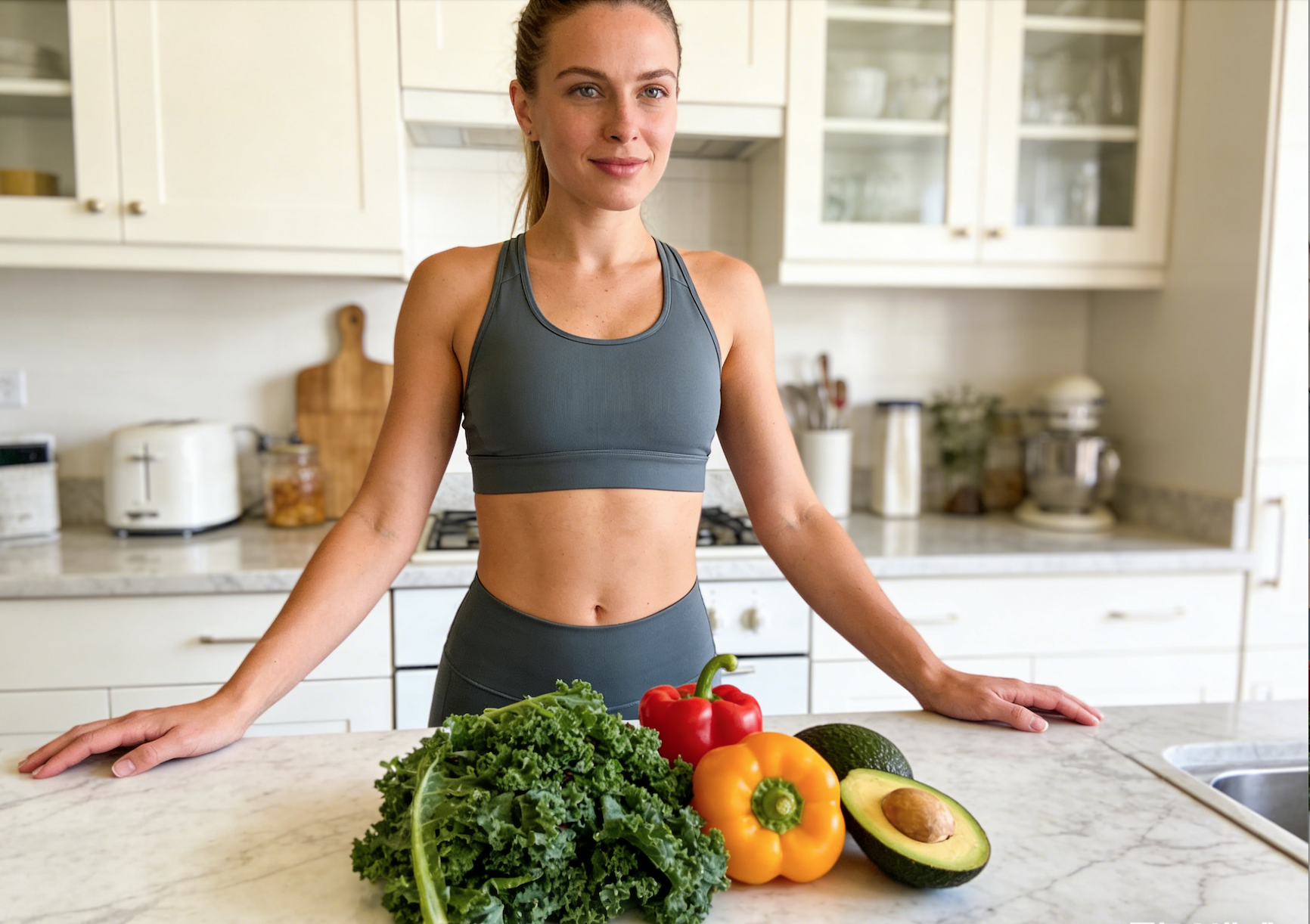
Weight Loss Diet Guide: A Comprehensive Analysis of the Glycemic Index and Nutritional Value of Vegetables
This article details the key role of vegetables in a low-insulin diet for weight loss, including how to control blood sugar and provide rich nutrition through proper combinations, thus aiding in scientific weight loss. Mastering vegetable selection techniques and knowledge of the glycemic index can effectively support your healthy weight loss plan and achieve sustainable weight loss goals.
2026-03-26