
Antihypertensive drugs and protective shields in the deep sea: Ion exchange of alginate and immunomodulation by fungal polysaccharides.
This legal code records 29 types of seafood that can be used as tax, including black kelp, agar, and seaweed. By 710 AD, there were already seaweed shops specializing in seaweed and shops selling jelly-like desserts in Heijō-kyō. Songs about black kelp, seaweed, and Sargassum can be found in the *Manyoshu*, a collection of poems from the Asuka and Nara periods. The poems by Kakihitohito Maro are very famous. The Wafukari Shrine in Kitakyushu holds the Wafukari ritual every year from late New Year's Eve to New Year's Day at low tide.
This activity, passed down from the Nara period, is a ritual of offering harvested black kelp to the gods. The Engishiki, a legal code from the mid-Heian period, stipulated that over ten types of seaweed could be used as tax. By then, seaweed had already been prepared in various ways, such as pickling, making soup, and boiling. However, at that time, only a segment of the upper class in inland areas enjoyed eating seaweed. It wasn't until the Edo period that seaweed became a popular food among commoners. At that time, fishermen in Shinagawaura would remove the leaves from trees or bamboo, keeping only the branches, then tie them together and plant them in shallow waters.
Originally used for fishing, seaweed was also easily attached to the surface, so this method was adopted for seaweed cultivation starting in 1717. Recently, seaweed is not only used for food but also widely applied in medicine, cosmetics, food additives, pastes, fertilizers, feed, energy, and many other fields. In the rich tapestry of Chinese cuisine, there is a dish considered a delicacy: bird's nest soup. In fact, bird's nest is also made from seaweed. On the remote cliffs of some islands in Southeast Asia, swiftlets bring back agar-agar and add their saliva.
Then, they mix their own feathers into this gelatinous substance to build boat-shaped nests about 10 centimeters in size to raise their chicks. Soup made from this bird's nest is not only delicious but also has significant therapeutic effects on lung diseases, which is believed to be related to the functional substances such as iodine, dietary fiber, and minerals contained in seaweed. When black kelp or other seaweed is soaked in water, it becomes slippery; this slippery component is alginic acid. Dr. Kuo Chi-chieh of the National Institute of Nutrition conducted an experiment, dividing naturally hypertensive mice into two groups.
The results showed that the group with added salt and alginic acid experienced a 20 mmHg decrease. Alginic acid exists primarily in the form of compounds bound to minerals such as potassium, sodium, and calcium. Most of the alginic acid in seaweed is bound to potassium. When potassium alginate enters the stomach, the potassium is released due to the action of gastric acid and then enters the intestines. Because the intestines are weakly alkaline, alginic acid readily binds to minerals. Furthermore, because the intestines contain a relatively high amount of sodium, alginic acid readily binds to sodium as well.
Alginate is difficult to digest and is not absorbed in the intestines. Therefore, the potassium alginate initially ingested is excreted in the feces as sodium alginate, undergoing only one ion exchange reaction in the digestive tract. On the other hand, the potassium released from alginate in the stomach is easily absorbed in the intestines and "expels" sodium from the blood. Potassium has a blood pressure-lowering effect, thus lowering blood pressure. The common saying that "kelp can lower blood pressure" is supported by the above experiment.
Recently, Japan invented artificial fish roe by utilizing the property of calcium alginate, which is poorly soluble in water and can be made into a fibrous colloid. All living things, including humans, originated from the ocean. The salt composition of human body fluids is the same as that of seawater 200 million years ago. Currently, due to long-term rain erosion, only about 42 or 43 minerals remain on land, while seawater contains more than 90 minerals. Seaweed absorbs all the essential minerals for life from seawater during its growth and development.
Almost all minerals are components of enzymes. Enzymes are catalysts for metabolism in the body. Necessary amounts of minerals, though in trace quantities, are indispensable for maintaining a healthy body. Humans, and other organisms, typically survive under conditions where external microorganisms invade and internal foreign substances such as tumors can appear. Therefore, the body must possess a defense system to resist external microorganisms and eliminate internal foreign substances. This defense capability varies greatly from person to person, based on age and physiological state.
Recently, many substances with this ability have been discovered in food. These substances in food that can enhance the body's defense capabilities mainly include polysaccharides, exogenous lectins, lignin, and low-molecular-weight compounds. These substances do not directly attack foreign substances, but rather exert their effects by modulating the body's defense mechanisms. For example, Bovine tuberculosis bacteria BCG and its cell wall components can enhance the body's specific or non-specific resistance to microorganisms and tumors by stimulating the reticulum. Recently, the immunomodulatory effects of polysaccharides in basidiomycetes and edible fungi have received particular attention.
A glycoprotein, PSK, extracted from the plant *Aralia elata*, has anti-tumor effects when taken orally. Experiments on rats showed that PSK can restore suppressed interferon production. Mushroom polysaccharides, extracted from shiitake mushrooms using hot water, showed strong resistance to sarcoma 180 allograft cancer and also inhibited protozoa and parasites. A polysaccharide isolated from baker's yeast has an inhibitory effect on tumor metastasis. Polysaccharides from various seaweeds have shown inhibitory effects on transplanted tumors. In addition, the effects of some yeast cell wall mucopolysaccharides and chitosans are also noteworthy.
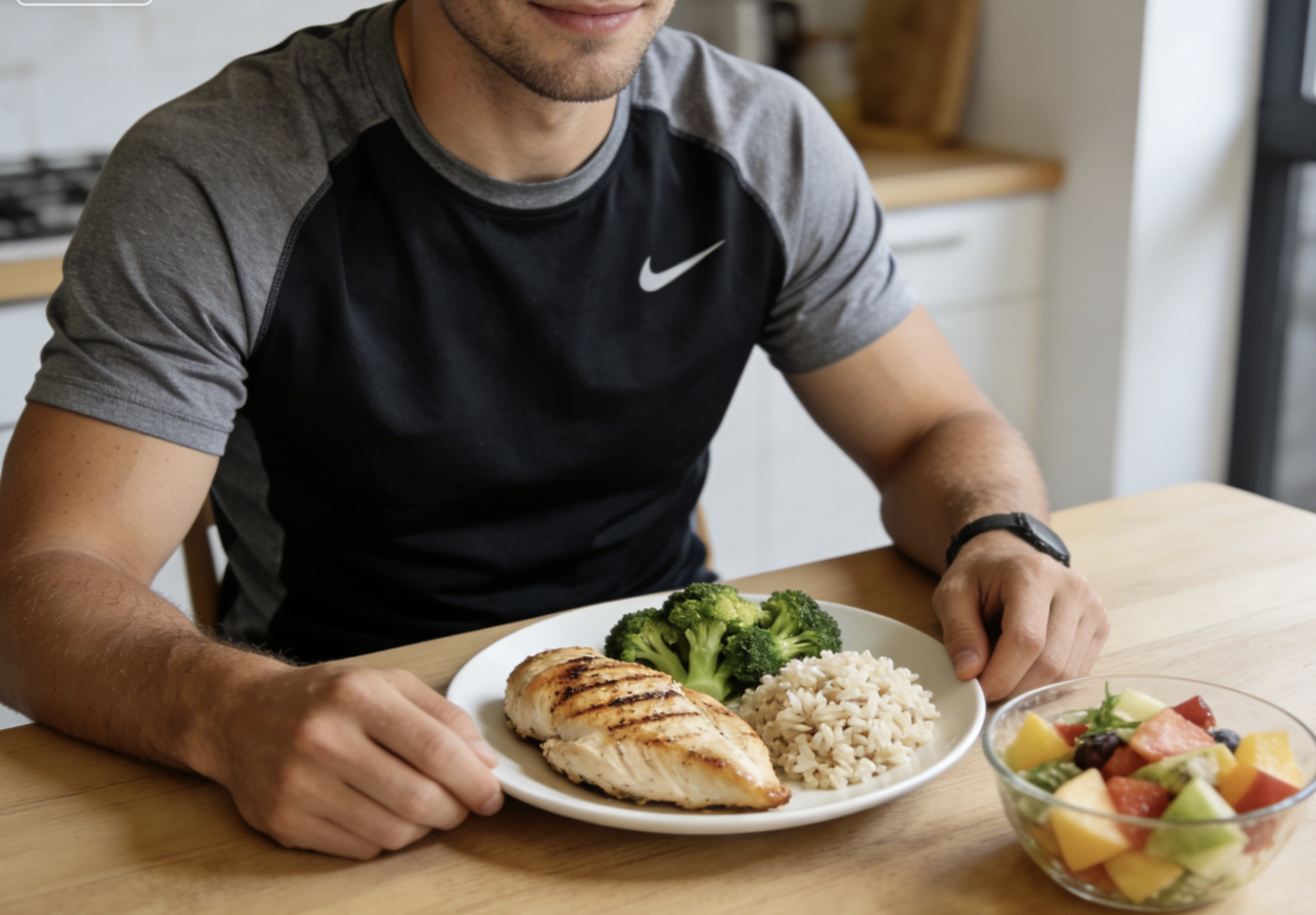
Scientific Weight Loss Programme: Four Steps to Crafting Your Personalised Fat-Loss Diet Plan
The core of scientific weight loss lies in creating a reasonable calorie deficit. This article guides you through calculating your metabolism and determining your intake, enabling you to develop a bespoke fat-loss diet in four steps. Achieve your weight loss goals safely, sustainably, and without rebound.
2026-03-26
Weight Loss Progress Tracking: Scientific Monitoring of Weight and Measurements with Mindset Management
Accurate tracking of weight loss progress is more crucial than the methods employed. This article guides you through scientifically measuring weight and body measurements, alongside photographic comparisons. By understanding trends without anxiety, it helps you maintain long-term consistency and steadily achieve your weight loss goals.
2026-03-27Dispel coldness and edema: Enhance basal metabolism and blood circulation through a scientifically formulated fruit juice.
Cold body constitution and edema are the main causes of impaired metabolism and a tendency to gain weight easily. This article recommends several fruit juices with warming and nourishing effects, such as ginger orange juice and peanut soy milk, and explains in detail how to use potassium-rich foods such as cucumbers and kiwis to eliminate excess salt. The article also shares practical tips on...
2026-03-29