
The Heart-Boosting Weight Loss Method and the Marshall Slim Diet: A Win-Win Strategy for Melting Fat and Heart Health
The Heart-Strengthening Weight Loss Method was developed by the prestigious National Institutes of Health (NIH) Heart, Lung, and Blood Institute. It not only helps with weight loss but also strengthens the heart and melts away excess fat. A spokesperson for the institute stated, "This 1200-kilocal diet has been tested many times with excellent results. If strictly followed, it will definitely lead to rapid weight loss and is very beneficial to the heart." Dr. Suloman, a renowned nutrition expert who previously taught at Johns Hopkins University School of Medicine, had 14 of his patients try this weight loss diet. The patient who lost the most weight per day was 5.6 kilograms, and the average weight loss per day for the 14 patients was 2.6 kilograms.
The National Institutes of Health's recommended diet outlines six categories of foods to eat and five categories to avoid, providing a sample daily menu. The six categories are: (1) Fish and skinless poultry (chicken, duck, goose, turkey, etc.). These should ideally replace pork, beef, and lamb. Fish and poultry are low in saturated fat, and the medical community has long known that saturated fat and cholesterol are linked to heart disease and vascular disease. (2) Lean meat. If eating fresh meat, choose lean cuts and remove any visible fat. Roasting, boiling, and stewing also remove excess fat.
(III) Low-fat dairy products. Using skim or low-fat milk powder can reduce calories and saturated fat. (IV) Fruits and vegetables are the easiest foods to prepare. They contain very little fat and no cholesterol. They also add variety and flavor to food. (V) Various vegetable oils containing multiple unsaturated fats and margarine made from these oils can lower blood cholesterol. However, it's best not to consume too much vegetable oil and margarine, as all fats are high in calories. The National Institutes of Health's Cardiovascular and Blood Institute recommends completely avoiding or reducing the consumption of the following five types of food:
(a) Foods high in saturated fat, such as fatty beef, pork, ham, lamb, and other meats. (b) Animal offal high in cholesterol, such as pig, beef, and sheep brains, kidneys, liver, and intestines. (c) Dairy products high in fat, such as butter and cream, ice cream, and whole milk. (d) Egg yolks particularly high in cholesterol. (e) Vegetable and animal oils high in saturated fat, including many types used to make pastries and cakes crispy, such as coconut oil, palm oil, butter, and lard. How much of each food should you consume to avoid exceeding 1200 kilocalories per day?
How should various foods, especially fats, proteins, and carbohydrates, be combined to maintain nutritional balance? Here's an example of a daily menu: Breakfast: Half a cup of orange juice; three-quarters cup of cornflakes (or oatmeal) with half a cup of skim milk; one slice of whole-wheat bread with a small piece of margarine; one cup of coffee or tea, without sugar or milk. Lunch: Two ounces of fish with a spoonful of sauce (diluted with lemon juice); one slice of whole-wheat bread; half a medium-sized tomato, sliced and placed on lettuce, with sauce; half a cup of skim milk; one cup of coffee or tea, without sugar or milk.
Dinner: 2 ounces of chicken; 2 ounces of rice with cilantro and a small piece of margarine; 2 ounces of green beans; one tangerine; a cup of tea (unsweetened or without milk). Evening snack: a cup of skim milk with half a scallion and half a spoonful of vanilla, shaken into a milk drink. Dr. Marshall points out in his new book that using his method to lose weight allows you to "eat whatever you like" without any restrictions. You can still lose 0.5 kg per week. His secret is simply learning from the eating habits of thin people. He only set three rules: (1) Always eat the most palatable food first. If you eat the best part of the meal, you won't stuff food you don't really like into your stomach.
(II) Don't eat when you're full. Dr. Marshall said, "The stomach is about the size of a loosely clenched fist. Six to twelve bites of food are enough to satisfy hunger. Children are better at this than adults. Children are full after eating half a bowl of rice and can refuse to finish the rest. Adults, however, often force themselves to finish the rice in their bowls. This 'cherishing of food' often results in the stretching of an elastic stomach. Women who maintain a slim figure throughout their lives are more 'cherishing of their stomachs' and never force themselves to eat things they don't want to eat." (III) Only eat when you are truly hungry. Don't eat for social occasions, to kill time, for celebrations, or to comfort yourself.
Some housewives open the refrigerator after arguing with their husbands, using food to calm their anger. Such women soon gain weight. Dr. Marshall says, "There's only one reason to eat: hunger. Developing good eating habits can not only help you lose weight but also help you maintain your ideal weight permanently." Maintaining a healthy weight is crucial. Sixty percent of women who spend a lot of money on weight loss programs only to regain their original weight quickly because they haven't developed healthy eating habits.

Maintaining weight loss results scientifically: key strategies to prevent weight rebound
This article provides a detailed analysis of scientific strategies for preventing weight rebound after successful weight loss, including key steps such as developing a reasonable plan and continuously adjusting your lifestyle. Learning these methods can help you maintain your weight loss results long-term, achieve healthy weight management goals, and ensure lasting weight loss effectiveness.
2026-03-27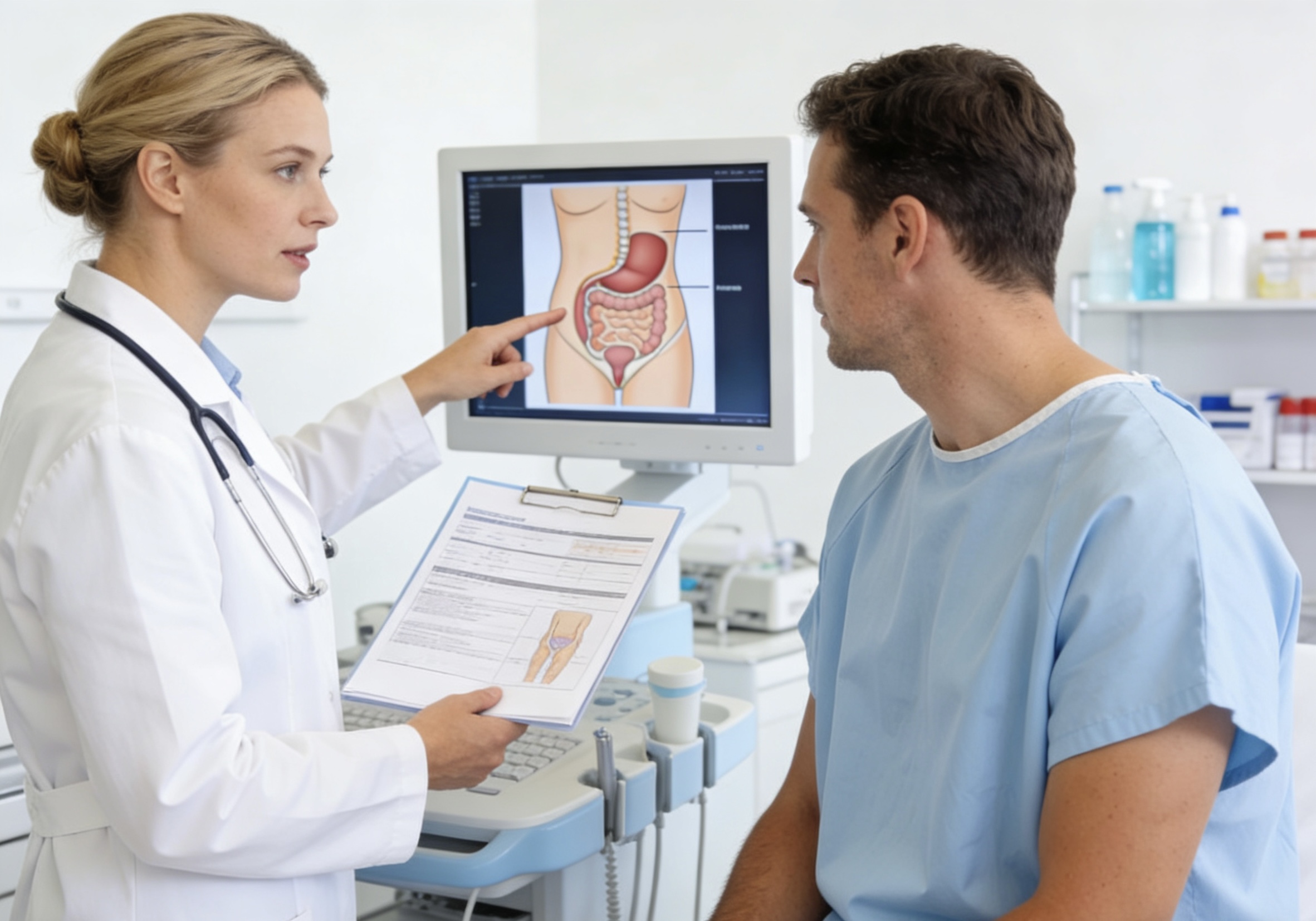
The principles and risks of jejunoileal bypass surgery for weight loss
Jejunoileal bypass surgery achieves weight loss by anastomosing the intestines to reduce absorption, and is suitable for patients with severe, refractory obesity. Post-operative weight loss is significant, but complications such as diarrhea, electrolyte imbalance, and abnormal liver function may occur. Choosing surgical weight loss requires strict risk assessment and must be performed under the supervision of a physician.
2026-03-27
Hyperbaric oxygen chamber and inversion therapy: Analysis of two innovative weight loss treatments
Hyperbaric oxygen therapy achieves rapid weight loss by accelerating fat breakdown and improving metabolism; five treatments can result in a weight loss of 8 kg. Inverted weight loss methods can eliminate abdominal fat and improve body shape, but safety precautions must be taken. Exploring innovative weight loss methods requires a scientific approach based on individual circumstances.
2026-03-27