
Listen to your body's confessions: Recognize false hunger and rediscover the wisdom of nourishing your body.
A long time ago, my bunkmate asked a profound question: "Why do people eat? They'll just poop anyway!" My mother answered this question when I was younger: "Man is made of iron, food is steel; you'll be starving if you skip a meal." That's why we need to eat: if we don't eat, we'll be hungry, and when we're hungry, we can't do anything-we can't work, we can't study, we can't live, we can't survive. When you're hungry, your stomach rumbles, you feel dizzy and lightheaded, and you feel listless. But why are you hungry? Some people say, "My stomach is empty." A thin person has enough body fat to last a month without eating anything. But if she eats in the morning, she'll still feel hungry at lunchtime. A person on a diet can go for days without eating, or eat very little, and still not feel hungry. Clearly, hunger isn't entirely due to an empty stomach or a lack of energy. Hunger is directly related to your psychological perception of it. Why do you feel hungry at mealtimes? Why don't people with anorexia feel hungry even when they are? The answer lies in the definition of hunger. Hunger refers to the changes your body experiences when you have access to food and know you can eat it. For example, when lunchtime approaches, insulin is released, lowering blood sugar and making you feel hungry. However, if you don't eat anything, your blood sugar will eventually return to normal. (Of course, in the long run, bodily functions become disordered, and blood sugar may not return to normal). This is why some people say, "I'm too hungry anymore, I'm not hungry." They're not lying because their blood sugar level is back to normal, and the hunger caused by the low blood sugar has disappeared. If you don't eat anything for many days in a row, your body won't even have that feeling of hunger anymore. This is why some dieters haven't eaten for many days, but they still tell you they're not hungry. They're not lying; they no longer feel that hunger. 1. You must be able to get food. If you're struggling to break the habit of eating "junk food," here's a solution. It's simple; the answer lies in the definition of hunger-don't buy junk food. Although your craving for potato chips feels like a million ants crawling all over you, making you unbearably uncomfortable, you just won't buy them. When you're certain you can't have them, you stop hoping for them, and your hunger disappears. Do you remember how much you loved candy as a child? Why didn't you love it as much later? Because your mother wouldn't buy it for you! At first, you'd plead and beg your mother every day, but once you were certain that no matter what you said, she wouldn't buy it, you stopped hoping. If you're in your thirties, and if you enjoy bread now, can you recall having bread when you were little? Why didn't you develop a bread addiction then, but now you love it so much? Because bread was a rare commodity, too expensive! If you can't have it, how can you feel hungry for it? 2. You must have expectations about eating. In other words, when you wake up in the morning, you know it's time for breakfast, and you can expect breakfast to be waiting for you; at noon, you know it's time for lunch, and you can expect lunch to be waiting for you; in the evening, you know it's time for dinner, and you can expect dinner to be waiting for you. This is your expectation of food. This expectation is closely related to your daily routine and your memory. For example, from when we were children, our mothers cultivated our habit of eating at regular times. This routine is consistent with the daily habits of most of us. For example, some mothers get off work early, so their children might be used to eating lunch at 12 noon, while some mothers get off work late, so their children might get hungry later and be used to eating lunch at 1 pm. In any case, your mother wouldn't cultivate the habit of eating lunch in the afternoon, right? This habit becomes our routine. This routine is completely integrated into our daily lives, so we don't seem to need to think about it; we will naturally feel hungry at that time. This is why people who diet for a long time like to set a meal time for themselves; in fact, they are artificially setting a hunger schedule for themselves. Gradually, their hunger time is inconsistent with their original, long-established bodily rhythm, but becomes closer to this rhythm. When a person who is dieting stops dieting, they don't even know when they are hungry or full. This is because their eating habits have been completely disrupted. Long-established routines have become blurred, and this artificial routine no longer aligns with their life, leaving them feeling lost. 3. Your body undergoes changes. When you know it's time to eat, when you know you'll have food, your brain starts sending signals, your body starts secreting insulin, your blood sugar starts dropping, you start feeling lightheaded, your stomach starts rumbling, and you start feeling restless. But if you're dieting, you tell yourself, "Although I have these physiological changes, although I know I'm hungry, I can't eat. This isn't a mealtime I've set for myself; I won't give myself anything to eat." When you confirm you have no food, these feelings automatically disappear. Some people might say with envy, "Why can't I be like her, not eating anything but not feeling hungry?" This is because you still have food, you still have hope. When you, like her, possess what some call "strong willpower," when you deprive yourself of food and hope, you can suppress your hunger and let it disappear automatically. I'm not teaching you the secret to not feeling hungry without eating. I'm telling you that if you frequently diet, when you're hungry, you repeatedly convince yourself, "I can't eat, I'm not hungry." This will slowly suppress your hunger. You seem to have conquered yourself. But you're not just suppressing your hunger; you're suppressing your body's normal response. You don't know when you're truly hungry or when you should eat. Your body's normal nutritional wisdom is replaced by your diet plan. You become increasingly detached from your own rhythm, increasingly unaware of your own feelings, and increasingly unable to eat properly. Once the diet plan is gone, the hunger signals that control your eating won't automatically return. You start to feel lost; you don't know when to eat, what to eat, or how much to eat. This is the first mistake many people trying to lose weight make. At the mention of weight loss, they ask, "Can my diet help me lose weight?" or "Give me a weight loss diet plan." Or, you might simply say, "I don't know what to eat." To cultivate the wisdom of nourishing your body, the first thing to learn is to recognize your body's hunger signals, to know when your body is truly hungry, and not for any other reason. When you're hungry, your stomach will send you signals, and your body will give you warning signs, although many people who have been dieting for a long time have weakened these signals. But when do you feel full? Some say it's when your stomach feels full; others say it's when your blood sugar rises. These are all correct. However, your stomach only starts to feel full about 20 minutes after eating. You might feel full while eating, but when your stomach feels full, you feel like you've overeaten. Relying on blood sugar levels is even more unreliable. First, you can't use a blood sugar meter all the time; second, blood sugar isn't that sensitive-at what level does it need to rise to indicate fullness? Third, some people simply don't have a concept of blood sugar. These methods are unreliable. Feeling full is much harder to measure than feeling hungry. People who diet for a long time can feel their blood sugar rise after just one bite, and regain their energy. A glutton could eat a whole cow and still not feel full. When you start eating, pay close attention. You know your own body best. Everyone's body has its own rhythms, and if you observe carefully, you'll definitely discover them. Some people feel full after eating very little in the morning. Others are actually too hungry by lunchtime and feel full after just a few bites. If you want to regain the wisdom of nourishing your body, you need to befriend it again, observe the different signals it sends, and view these signals objectively.

The Low-Insulin Diet Revolution: Achieving Healthy Weight Loss and Long-Term Eating Habits
This article introduces how the low-insulin diet can help you achieve healthy weight loss and form a long-term eating habit. This method is simple and easy to follow, requires no complicated calculations, effectively reduces weight and prevents rebound, helping you maintain a healthy lifestyle and achieve lasting weight loss results.
2026-03-26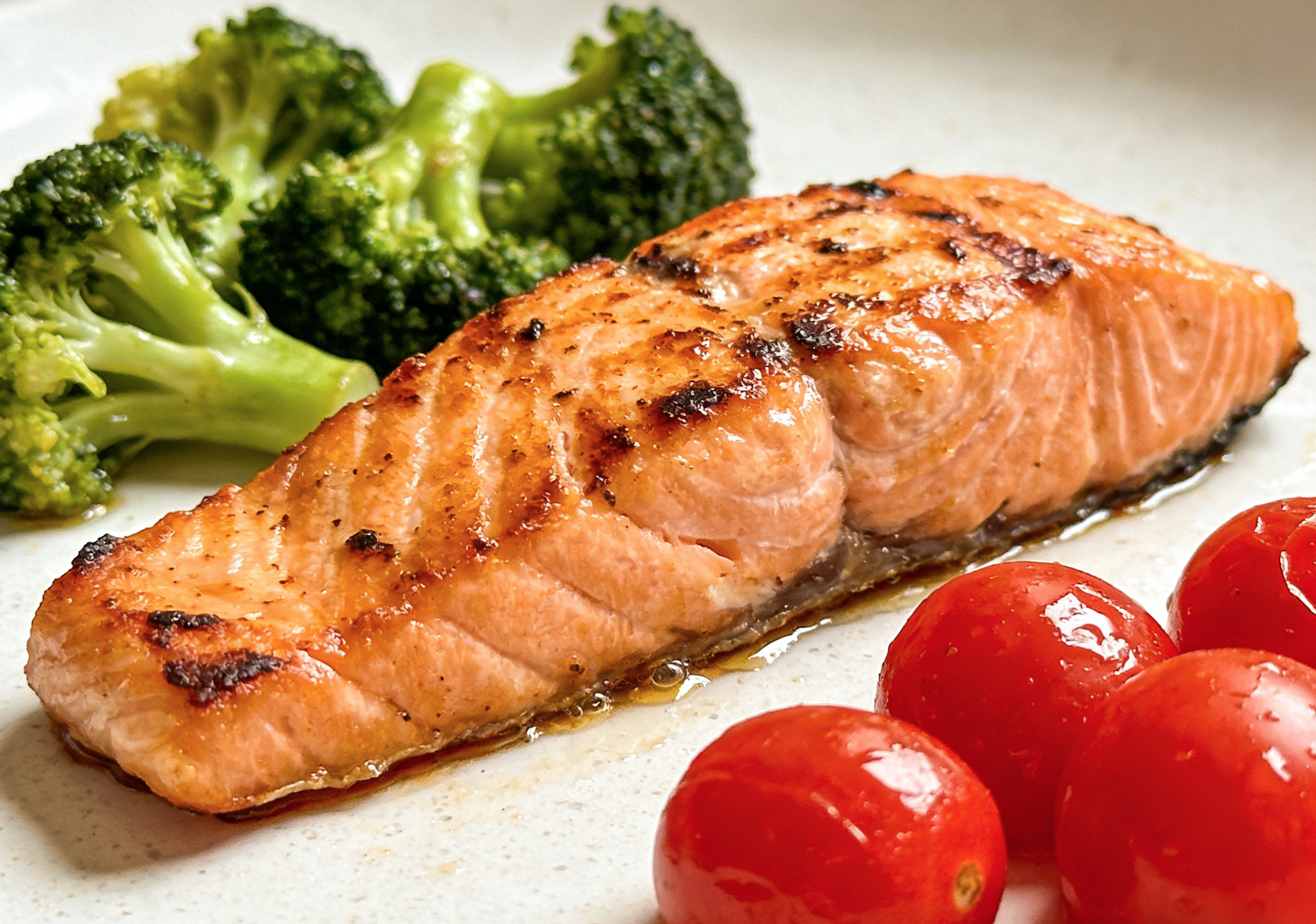
Detailed Explanation of the Low-Insulin Diet for Weight Loss: Key Principles for Beginners
This article provides a detailed analysis of the specific steps involved in implementing a low-insulin diet for weight loss, focusing on ten core principles to follow in the initial stages. By strictly controlling carbohydrate intake, it activates the body's fat-burning mode, helping you effectively achieve your weight loss goals. Mastering the scientific steps is key to successful weight loss and maintaining health.
2026-03-26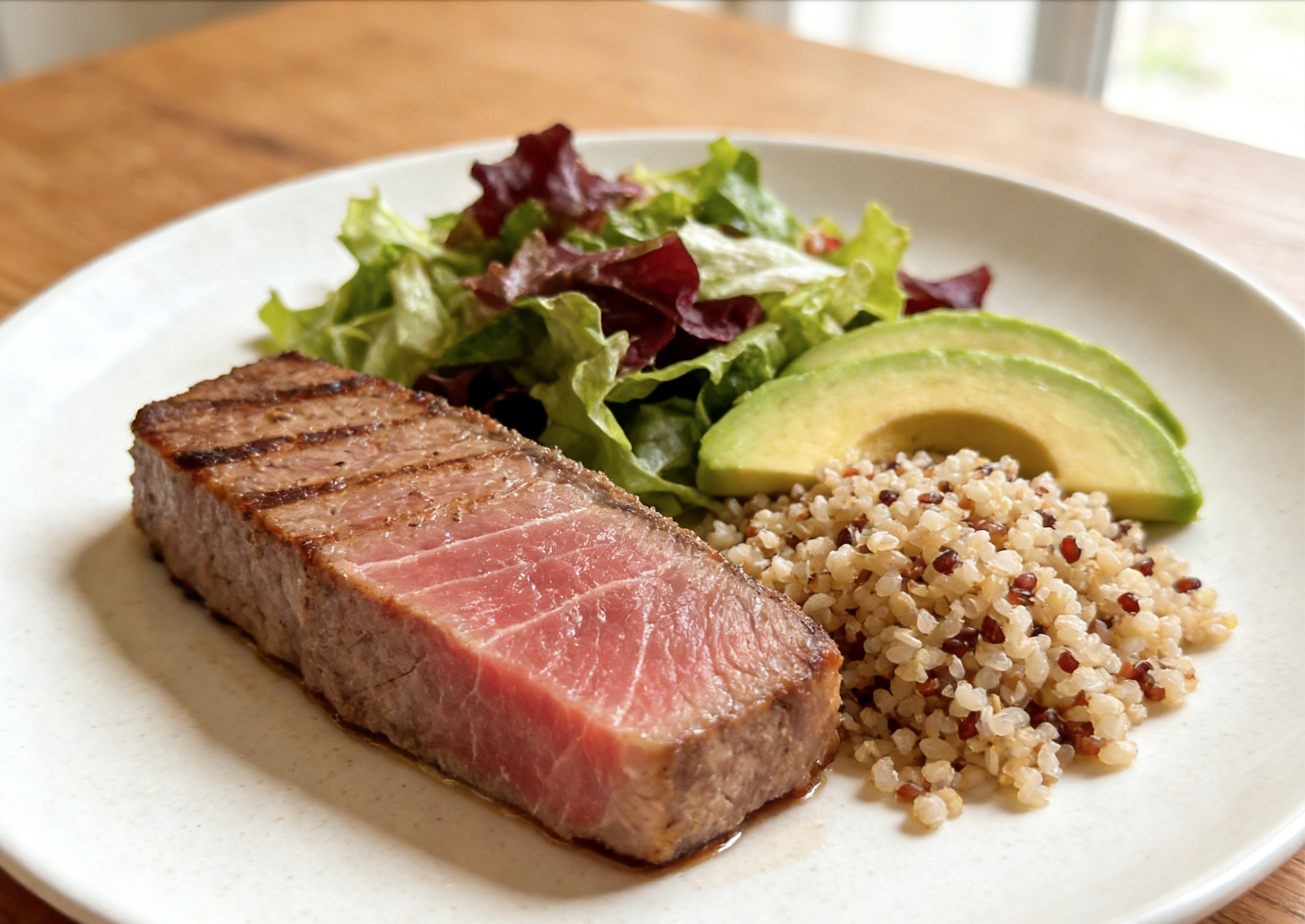
Guide to the Introductory and Maintenance Phases of the Low Insulin Weight Loss Method
This article summarizes the significant benefits of the low-insulin diet in its initial stages, such as stable blood sugar and improved body sensation, and guides you on how to assess whether to enter the maintenance phase based on your body's feedback. A scientific transition is key to sustained weight loss, helping you consolidate your results and achieve long-term health management.
2026-03-26